Study found COVID-19 mRNA booster vaccinations in early pregnancy did not increase miscarriage risk
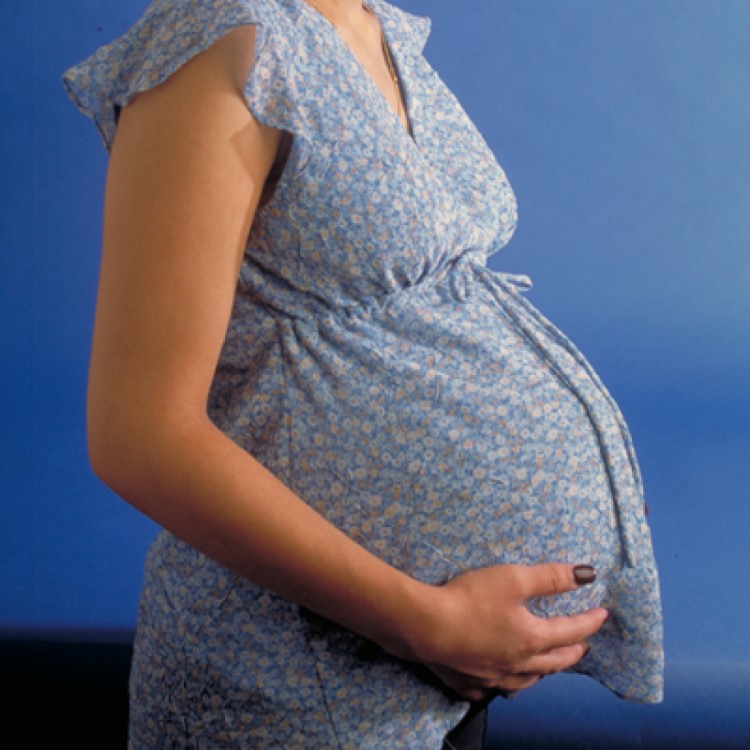
On May 19, 2023, HealthPartners Institute researchers have published new data in JAMA Network Open that shows monovalent COVID-19 booster vaccinations administered in early pregnancy (before 20 weeksメ gestation) were not associated with miscarriage.
The researchers analyzed data from more than 100,000 pregnancies between six and 19 weeksメ gestation from eight large health systems participating in the Vaccine Safety Datalink (VSD). The data was collected between Nov. 1, 2021, and June 12, 2022. Researchers found, using a 28- or 42-day window, that receipt of a booster vaccination was not associated with miscarriage.
Separate research recently published in Obstetrics & Gynecology – also led by HealthPartners Institute – showed that COVID-19 booster vaccination at any point during pregnancy was not associated with increased risk for serious acute adverse events.
In that study, researchers evaluated data from more than 80,000 pregnancies that occurred between September 23, 2021 and June 30, 2022. Booster vaccination in pregnancy did not increase risks for thrombocytopenia, myocarditis, venous thromboembolism, ischemic stroke, or other serious adverse events within 21 or 42 days after vaccination.
Data for both studies came from HealthPartners and seven other large health systems that make up the Vaccine Safety Datalink (VSD). VSD is a research network funded by the Centers for Disease Control and Prevention that conducts post-marketing surveillance of vaccines licensed and used in the United States. Both studies evaluated safety of the monovalent COVID-19 vaccine booster. Future studies will evaluate safety of the bivalent booster.
Tags:
Source: American Association for the Advancement of Science
Credit: