InBios received FDA clearance for its DENV detect NS1 ELISA test for early detection of Dengue fever
On Sept. 11, 2018, InBios announced that it received 510k marketing clearance from the U.S. Food and Drug Administration (FDA) for its DENV Detect NS1 ELISA. This antigen detection assay provides presumptive diagnosis of dengue virus from serum samples taken from patients within the first seven days of clinical symptoms consistent with either dengue fever or dengue hemorrhagic fever, before IgM antibodies are present. The InBios NS1 assay is highly sensitive and specific. In prospectively collected archived clinical specimens, the NS1 kit correctly identified 86.6% of patients confirmed positive for dengue NS1 antigen and 97.8% of negative confirmed patient specimens. The NS1 antigen detection kit is useful to help differentiate from other flaviviruses that may cross react with dengue antibodies but not with the antigen. In addition, InBios manufactures an FDA cleared IgM antibody detection ELISA kit (DENV Detect IgM Capture ELISA) which detects antibodies that appear later than NS1. Performing both tests in parallel can detect early or later stage suspected dengue.
Dengue is an increasing world problem caused by one of four serotypes (DEN 1, DEN 2, DEN 3, DEN 4). Infection by one serotype only provides immunity to that particular serotype. The WHO estimates that 50-100 million infections occur annually in over 100 endemic countries. Most dengue cases in US citizens occur in Puerto Rico, the US Virgin Islands, Samoa and Guam, which are endemic to the virus. Nearly all reported cases in the continental states were acquired elsewhere by travelers or immigrants, but autochthonous dengue fever outbreaks have occurred in Brownsville, TX (2005), southern Florida (2009-2011) and Hawaii (2011).
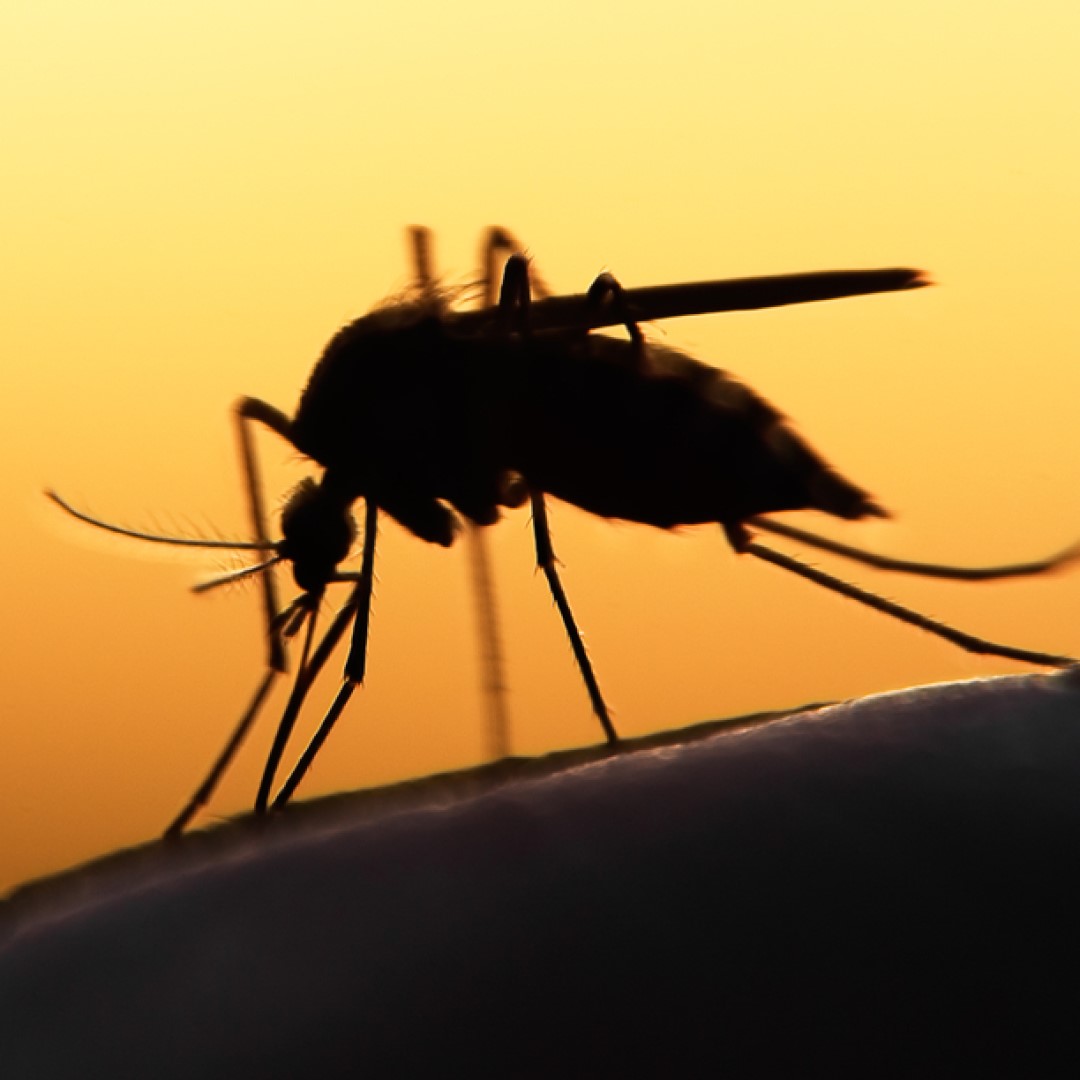
Dengue virus is transmitted through the bite of an infected Aedes aegypti mosquito which is also responsible for transmission of other flaviviruses such as West Nile, chikungunya and Zika virus. Dengue produces flu-like symptoms that usually resolve in 1 to 2 weeks. A small number of people experience dengue hemorrhagic fever (DHF), a very serious illness characterized by abnormal internal or external bleeding. Patients may experience very low blood pressure (shock) if not properly treated. DHF can be fatal, particularly in children.
Tags:
Source: PRWeb
Credit: