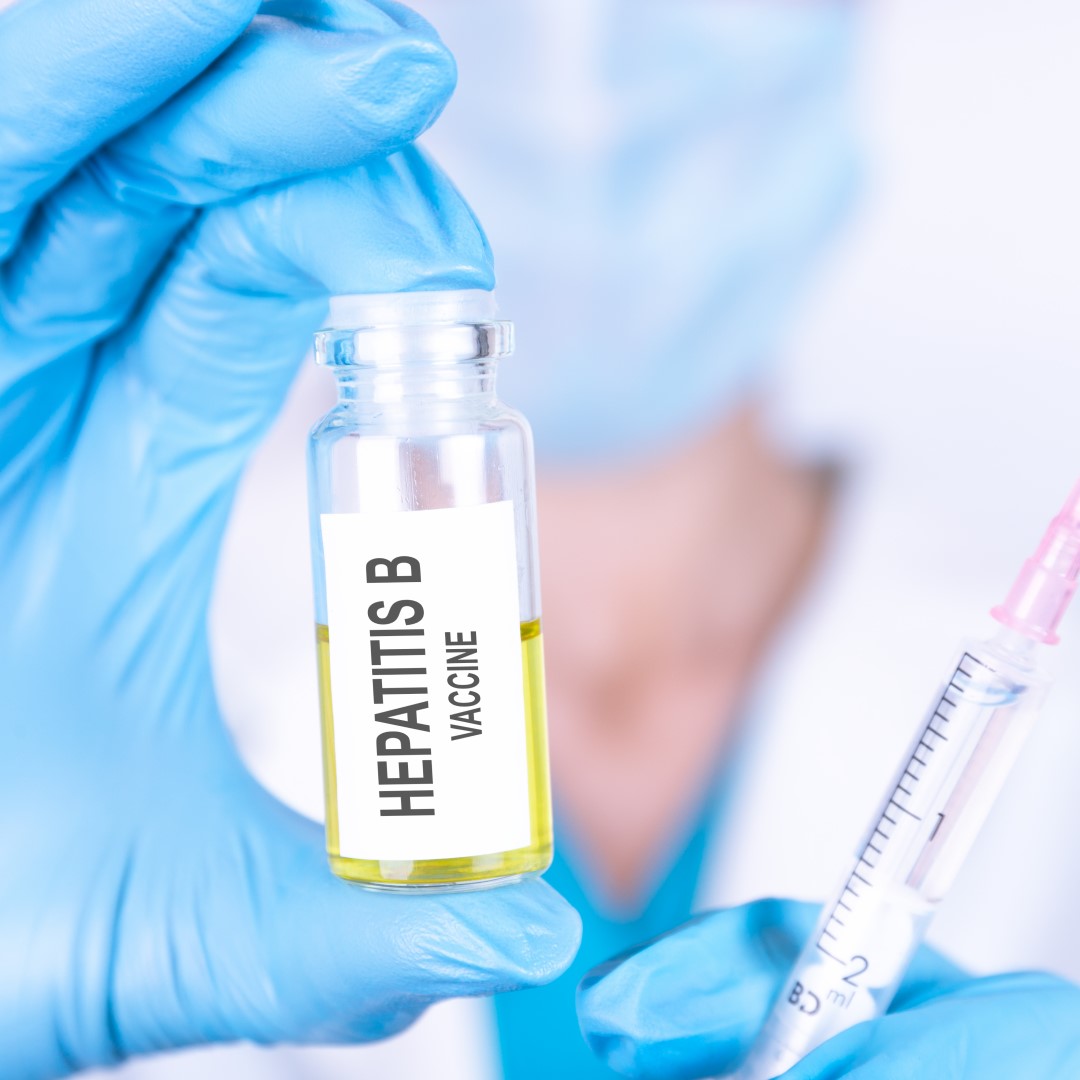
FDA approved a 2-dose schedule of hepatitis B vaccination for adolescents
On Aug. 27, 1999, Merck, West Point, Pennsylvania) received approval from the Food and Drug Administration (FDA) of a supplement to Merck’s license application to include the manufacture of single-antigen preservative-free hepatitis B vaccine (Recombivax HB®, Pediatric); distribution is expected to begin September 13, 1999. In addition, SmithKline Beecham Biologicals (SmithKline Beecham, Philadelphia, Pennsylvania), expects to make single-antigen preservative-free hepatitis B vaccine (Engerix-B®, Pediatric) available in the near future. Further product information will be provided when it becomes available. Product packaging and labels will indicate that these vaccines do not contain preservative.
Editorial Note:
On July 8, 1999, the American Academy of Pediatrics (AAP) and the Public Health Service (PHS) released a joint statement about thimerosal in vaccines, and the American Academy of Family Physicians (AAFP) released a comparable statement (1-3). Thimerosal is a mercury-containing preservative that has been used as an additive to biologics and vaccines since the 1930s because it is effective in preventing bacterial and fungal contamination, particularly in open multidose containers. Vaccine manufacturers, FDA, and other PHS agencies are working together to replace expeditiously thimerosal preservative-containing vaccines whenever possible with vaccines that do not contain thimerosal as a preservative while ensuring maintenance of high vaccination coverage levels and prevention of disease.
After the statements on thimerosal in vaccines were published, changes occurred in newborn hepatitis B vaccination policies and practices in some hospitals, including unintended changes affecting immunization of infants at risk for perinatal HBV transmission.
In August 1999, state and territorial health department hepatitis coordinators conducted surveys of selected birthing hospitals in their project areas. Of 977 hospitals surveyed in 48 project areas, 773 (79%) were aware of the joint AAP/PHS statement on thimerosal. Of 574 hospitals that were aware of the statement and had existing policies or standing orders to vaccinate all newborns, 262 (46%) reported a policy change to no longer routinely vaccinate newborns of HBsAg-negative mothers. In addition, 52 (9%) reported they no longer routinely vaccinate any newborn (CDC, unpublished data, 1999). Such a policy usually requires a physician’s order to vaccinate infants of HBsAg-positive mothers and infants of mothers whose HBsAg status is unknown. CDC also has received anecdotal reports of hospitals in which policies were changed, and infants born to HBsAg-positive mothers and infants born to mothers with unknown HBsAg status were not vaccinated within 12 hours of birth (CDC, unpublished data, 1999).
Chronic HBV infection develops in approximately 90% of infants infected perinatally; among chronically infected infants, the risk for premature death from HBV-related liver cancer or cirrhosis is approximately 25% (8). The availability of hepatitis B vaccine that does not contain thimerosal as a preservative should alert medical facilities to review their policies to ensure the vaccination of newborns as recommended by the Advisory Committee on Immunization Practices, AAFP, and AAP.
Tags:
Source: U.S. Centers for Disease Control and Prevention
Credit: