CDC Launched National surveillance for Lyme disease
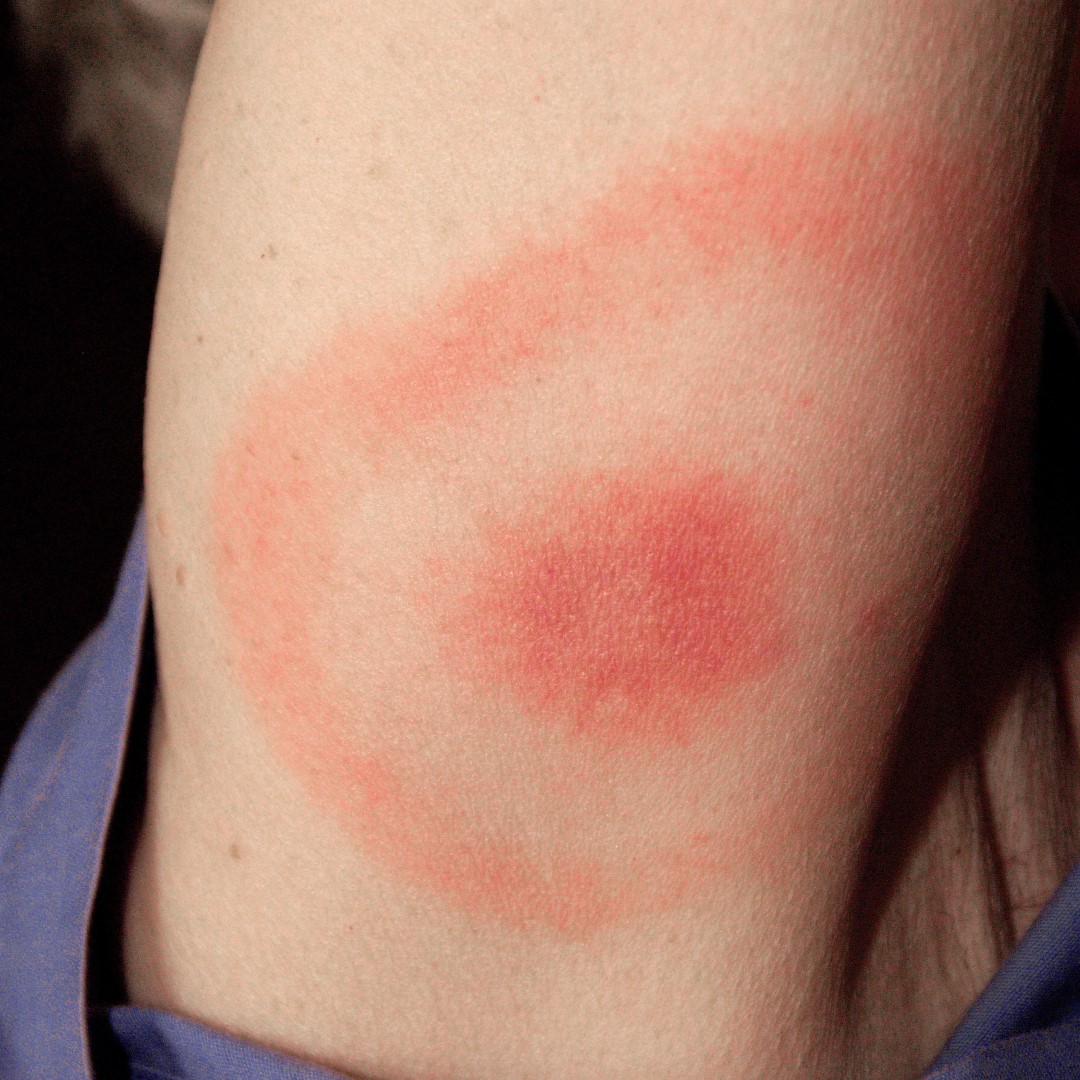
In 1992, the U.S. Centers for Disease Control and Prevention (CDC) launched a national surveillance for tick-borne Lyme disease (LD) with 11 states reporting 491 cases of infection. Lyme disease is defined as the presence of an erythema migrans rash or at least one objective sign of musculoskeletal, neurologic, or cardiovascular disease and laboratory confirmation of infection.
During 1992–2006, a total of 248,074 cases of Lyme disease were reported to CDC by health departments in the 50 states, the District of Columbia, and U.S. territories; the annual count increased 101%, from 9,908 cases in 1992 to 19,931 cases in 2006. During this 15-year period, 93% of cases were reported from 10 states (Connecticut, Delaware, Massachusetts, Maryland, Minnesota, New Jersey, New York, Pennsylvania, Rhode Island, and Wisconsin). Incidence was highest among children aged 5–14 years, and 53% of all reported cases occurred among males. More than 65% of patients with EM had illness onset in June and July, compared with 37% of patients with arthritis.
In 1993, 8,185 cases of LD were reported to the CDC by 44 state health departments, 1492 (15%) fewer cases than were reported in 1992 (9,677). Most cases were reported from the northeastern, mid-Atlantic, north-central, and Pacific coastal regions.
Tags:
Source: U.S. Centers for Disease Control and Prevention
Credit: